Table of Contents
Cotton is everywhere. From the T-shirt you wear daily to the sheets on your bed, this natural fabric has become a staple in homes and wardrobes across the world. But what exactly is cotton fabric, and why has it remained so popular for centuries? Let’s break it down:
What Is Cotton Fabric?
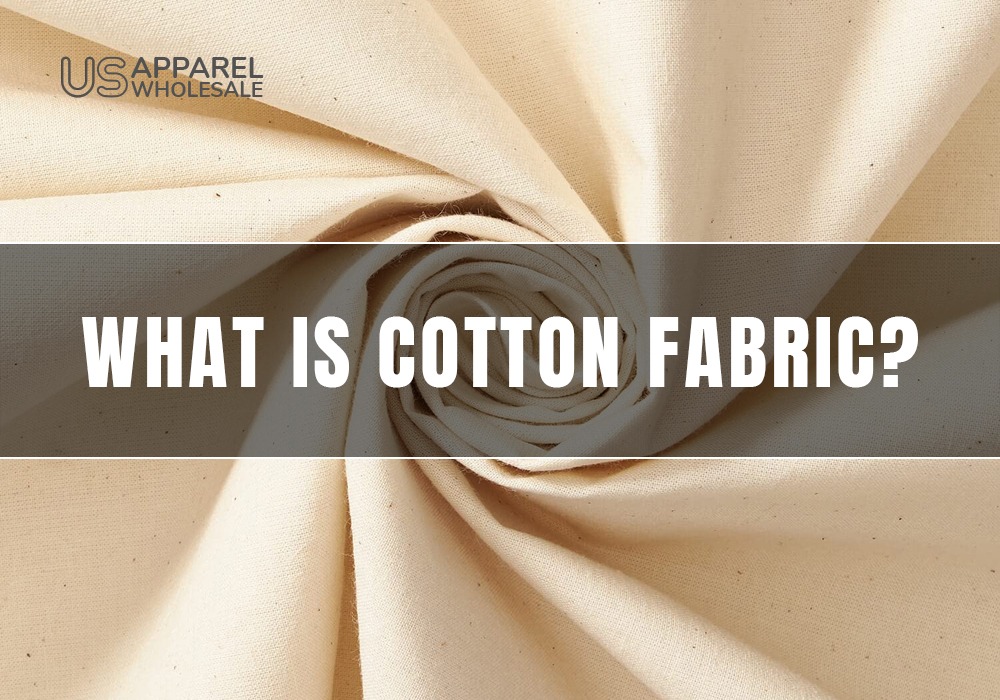
Cotton fabric is a natural textile made from the fibers that grow around the seeds of the cotton plant. Once harvested, these fibers are cleaned, spun into thread, and turned into fabric. When people ask, “What is cotton material?”, they’re usually referring to this plant-based fiber that is known for softness, breathability, and comfort. Unlike synthetic fabrics made from petroleum-based materials, cotton is biodegradable and renewable. The structure of cotton fibers allows air to circulate easily. That’s why cotton feels cool and comfortable, especially in warm weather.
How Is Cotton Fabric Made?
Understanding how cotton fabric is made helps you appreciate why quality can vary between different cotton products.
1. Harvesting
Cotton grows in fluffy bolls on cotton plants. Once mature, the fibers are harvested either by hand or by machine.
2. Ginning
After harvesting, the fibers must be separated from the seeds. This process is called ginning. The cleaned fibers are then compressed into bales.
3. Carding and Cleaning
The fibers are brushed and aligned. This step removes impurities and prepares the cotton for spinning.
4. Spinning Into Yarn
The cleaned fibers are twisted into yarn. The spinning process affects softness and strength. For example, ringspun cotton goes through an additional spinning process that makes it smoother and stronger.
5. Weaving or Knitting
The yarn is then woven or knitted into fabric. Woven cotton is common in dress shirts and bed sheets, while knit cotton is typically used in T-shirts.
6. Finishing
The fabric may be dyed, treated for softness, or pre-shrunk to reduce shrinkage after washing.
Cotton Fabric Texture and Feel
Cotton fabric texture can vary depending on how it is processed and woven. Standard cotton feels soft and lightweight. Combed cotton feels smoother because shorter fibers have been removed. Ringspun cotton feels even softer and more durable due to tighter spinning.
If you want to understand the difference in quality, check out our guide on ringspun cotton vs regular cotton. The spinning method makes a noticeable difference in feel and durability.
Cotton can also feel:
- Crisp and structured in woven fabrics
- Soft and stretchy in knit fabrics
- Thick and durable in denim
- Smooth and luxurious in long-staple varieties
Key Characteristics of Cotton Fabric
Cotton has remained popular because of its natural performance features.
Here are the key characteristics of cotton fabric:
- Breathable and allows air circulation
- Soft against the skin
- Highly absorbent
- Durable with proper care
- Hypoallergenic and suitable for sensitive skin
- Biodegradable and plant-based
These qualities make cotton a dependable option for everyday wear.
Different Types of Cotton Materials
Not all cotton is the same. Fiber length, processing, and growing conditions affect quality and price.
Upland Cotton
This is the most common type of cotton. It accounts for the majority of global production and is widely used in everyday clothing.
Egyptian Cotton
Egyptian cotton has longer fibers. This creates a smoother, more durable, and more luxurious fabric often used in premium bedding.
Pima Cotton
Pima cotton is known for its extra-long fibers. It feels soft, resists pilling, and maintains its shape well.
Organic Cotton
Organic cotton is grown without synthetic pesticides or fertilizers. It is popular among eco-conscious buyers.
Combed Cotton
Combed cotton removes short fibers and impurities, resulting in a smoother finish.
Ringspun Cotton
Ringspun cotton goes through a special spinning process that creates finer, stronger, and softer yarn. This makes it ideal for high-quality T-shirts.
Pros of Cotton Fabric
Cotton offers many advantages that explain its widespread use.
- Comfortable for daily wear
- Breathable in warm weather
- Soft on sensitive skin
- Easy to dye in different colors
- Affordable and widely available
- Biodegradable and natural
For apparel businesses, cotton is also easy to customize through printing and embroidery.
Cons of Cotton Fabric
Despite its popularity, cotton has a few drawbacks.
- It can shrink when exposed to heat
- Wrinkles easily
- It may fade over time
- Absorbs moisture and can take longer to dry
- May lose shape if stretched repeatedly
Understanding these cons helps you choose the right cotton blend or fabric treatment for your needs.
Does Cotton Shrink When Washed?
Yes, cotton can shrink, especially if it is not pre-shrunk. Heat and moisture cause the fibers to contract.
To reduce shrinkage:
- Wash in cold water
- Avoid high heat drying
- Air dry when possible
Many modern cotton garments are pre-shrunk during manufacturing, which reduces the risk of significant size changes.
What Is Cotton Fabric Used For?
Cotton is extremely versatile. It works well in clothing, home goods, and even industrial products.
Clothing
Cotton is widely used in:
- T-shirts
- Polo shirts
- Sweatshirts
- Underwear
- Baby clothes
If you’re looking for quality everyday apparel, explore our 100% cotton tees collection. For bulk orders at competitive prices, check out our bulk t-shirts options.
Home Textiles
Cotton is used in:
- Bed sheets
- Pillowcases
- Towels
- Curtains
Medical and Hygiene Products
Because cotton is soft and absorbent, it’s used for:
- Cotton pads
- Gauze and bandages
Industrial Uses
Heavier cotton fabrics like canvas and denim are used for workwear and durable applications.
Is Cotton Breathable?
Yes, cotton is breathable. Its natural fiber structure allows air to circulate and helps absorb moisture from the skin. This makes cotton comfortable in warm weather and suitable for everyday wear.
Conclusion
So, what is cotton fabric? It’s a natural, breathable textile made from plant fibers that has remained popular for centuries. Cotton is soft, versatile, and widely used in clothing, bedding, and many other products.
While it can shrink and wrinkle, its comfort, affordability, and natural feel make it one of the most trusted fabrics in the world.
Whether you’re buying everyday essentials or sourcing bulk apparel for your business, cotton remains a reliable and practical choice.
Frequently Asked Questions
Which type of cotton is best?
The best type depends on your needs. Egyptian and Pima cotton are ideal for luxury bedding. Ringspun cotton is great for soft, durable apparel. Upland cotton works well for everyday clothing.
Does cotton shrink when washed?
Yes, especially if exposed to high heat. Washing in cold water and using low heat drying can help reduce shrinkage.
Is cotton breathable?
Yes. Cotton allows air circulation and absorbs moisture, which keeps you comfortable.
Where can I find the best price on cotton T-shirts?
USApparel Wholesale offers the best prices on cotton T-shirts. Buying in bulk is the most cost-effective way to save, and you can get priority access to competitive wholesale rates, a wide selection of sizes, and fast shipping.
What are 5 characteristics of cotton fabric?
Five important characteristics include:
- Breathability
- Softness
- Absorbency
- Durability
- Biodegradability