Table of Contents
What Is a Tri‑Blend Shirt? A Complete Guide
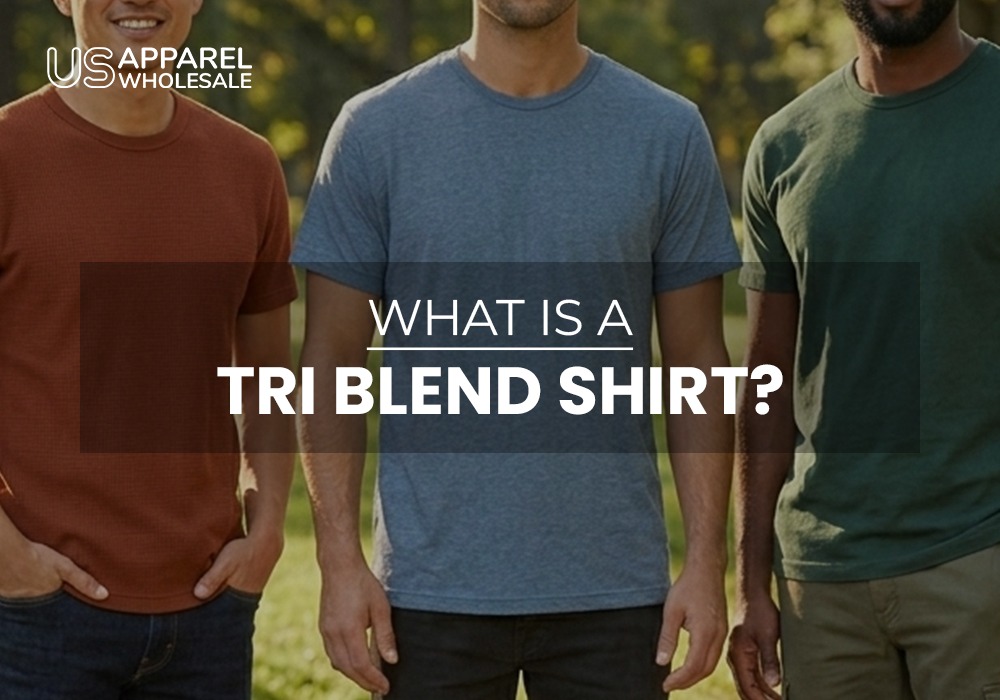
A tri‑blend shirt is a premium type of t-shirt made from a blend of three fibers: usually cotton, polyester, and rayon. Unlike standard cotton shirts or simple blends, tri‑blend shirts combine the best properties of each fabric to provide softness, durability, breathability, and a distinctive drape. These shirts are popular for casual wear, fashion, athletic use, and custom merchandise due to their unique feel and appearance.
Understanding Tri‑Blend Fabric
The term tri‑blend refers to a fabric made by combining three different fibers into one material. Each fiber contributes distinct qualities:
- Cotton provides softness and breathability.
- Polyester adds durability and helps the fabric maintain its shape.
- Rayon gives a silky texture, stretch, and enhanced drape.
The combination creates a shirt that is lighter than 100% cotton, softer than cotton/polyester blends, and has a natural, slightly heathered appearance. Tri‑blend shirts are designed to balance comfort, longevity, and aesthetic appeal.
Tri‑blend fabrics emerged in the late 1990s and early 2000s as apparel manufacturers sought to improve on traditional 100% cotton and simple blends. Cotton offered comfort but was prone to shrinking and heavier wear, while cotton/poly blends were durable but less soft.
By adding rayon, a semi-synthetic fiber originally designed as a silk alternative, manufacturers created a shirt that offered softness, lightness, and durability simultaneously.
This innovation allowed tri‑blend shirts to become a preferred choice for fashion, casual wear, and branded merchandise. Today, tri‑blend tees are widely recognized for their premium feel and slightly vintage aesthetic.
Fiber Composition and Function
Tri‑Blend Fabric Ratios and Their Effects
Most tri‑blend shirts are made from a combination of cotton, polyester, and rayon, but the exact percentages can vary depending on the intended feel, weight, and performance of the fabric. Adjusting these ratios allows manufacturers to emphasize softness, durability, stretch, or drape.
Common Tri‑Blend Ratios:
Effect of Adjusting Ratios:
- More Rayon: Increases softness, drape, and stretch but slightly reduces durability.
- More Cotton: Enhances breathability and natural comfort, but can make the fabric heavier and prone to minor shrinkage.
- More Polyester: Improves strength, reduces wrinkles and shrinkage, and increases moisture-wicking, but slightly reduces natural softness.
By selecting the right ratio, manufacturers can produce tri‑blend shirts optimized for everyday wear, active use, fashion-forward style, or custom merchandise printing.
Characteristics of Tri‑Blend Shirts
Tri‑blend shirts are valued for their versatile performance and premium feel:
- Softness: The rayon content provides a smooth, almost silky texture, making tri‑blends softer than most cotton or cotton/polyester blends.
- Lightweight Comfort: Tri‑blend shirts are typically lighter in weight, offering a comfortable fit for daily wear.
- Breathability: The cotton component allows air circulation, helping to keep the wearer cool.
- Durability: Polyester reinforces the shirt’s strength, helping it resist stretching, shrinking, and pilling.
- Appearance: The fabric often produces a heathered or textured look that is popular in casual and fashion-oriented styles.
Comparison With Other Fabrics
Printing and Customization
Tri‑blend shirts are commonly used for screen printing, direct-to-garment (DTG) printing, and promotional merchandise. However, their unique composition affects printing results:
The fabric’s heathered finish creates a natural, slightly textured look that enhances vintage or muted design styles.
Fit and Style Considerations
Tri‑blend shirts are often available in slim, modern, and relaxed fits. The lightweight, draping nature of the fabric allows it to conform naturally to body shapes without excessive cling. This makes tri‑blend shirts suitable for layering, casual wear, streetwear, and lifestyle outfits.
Care Instructions
To maintain a tri‑blend shirt’s appearance and longevity:
- Wash in cold water using a mild detergent.
- Turn the shirt inside out before washing.
- Air dry or use low heat in a dryer.
- Avoid harsh bleaching agents.
Following these steps preserves the softness, color, and structural integrity of the fabric.
Use Cases
Tri-blend shirts are versatile and suitable for multiple settings because they combine comfort, durability, and style in one fabric.
Casual Wear
Tri-blend shirts are ideal for everyday use. The cotton provides natural comfort, while rayon enhances softness and drape. They feel lighter than traditional cotton tees and maintain their shape throughout the day, making them a reliable choice for daily outfits and layering.
Athleisure and Active Wear
Due to their lightweight structure and moderate stretch, tri-blend shirts work well for light workouts and active lifestyles. Polyester helps manage moisture, while the breathable construction keeps the wearer comfortable during movement.
Fashion and Streetwear
The fabric’s smooth drape and subtle heathered texture give tri-blend shirts a more refined appearance than standard cotton tees. They are often used in modern, slim-fit styles and are popular in contemporary streetwear collections.
Custom Merchandise
Tri-blend shirts are commonly used for branded apparel and promotional merchandise. Their soft feel increases perceived quality, and they work well with screen printing and direct-to-garment methods, especially for vintage-style designs.
Pros and Cons
Pros:
- Extremely soft and comfortable.
- Lightweight and breathable.
- Durable and resistant to wrinkles and shrinkage.
- Heathered and visually appealing.
Cons:
- Slightly more expensive than basic cotton or cotton/poly blends.
- Prints may appear muted on some designs due to the heathered texture.
Conclusion
Tri‑blend shirts represent a premium, versatile option in the world of t-shirts. By combining cotton, polyester, and rayon, they deliver unmatched softness, durability, and style. Suitable for casual wear, athletic purposes, and branded merchandise, tri‑blend shirts are a reliable choice for anyone seeking comfort and quality in a t-shirt. Their slightly vintage, heathered aesthetic adds a unique visual appeal, making them a staple in both everyday and fashion-forward wardrobes.
Frequently Asked Questions
Is a tri-blend shirt better than 100% cotton?
Tri-blend shirts are often considered more versatile than 100% cotton. While cotton is naturally breathable and soft, tri-blend fabric adds durability from polyester and drape from rayon. This makes tri-blend shirts softer, lighter, and more resistant to shrinking and wrinkling compared to standard cotton tees.
Do tri-blend shirts shrink?
Tri-blend shirts are less likely to shrink than 100% cotton shirts because polyester stabilizes the fabric. However, minor shrinkage can still occur if washed in hot water or dried on high heat. Washing in cold water and drying on low heat helps maintain size and shape.
Are tri-blend shirts good for working out?
Tri-blend shirts are suitable for light to moderate physical activity. They are breathable, lightweight, and slightly stretchy. However, for high-intensity workouts or heavy sweating, performance polyester or moisture-wicking athletic fabrics may provide better sweat management.
Why do tri-blend shirts have a heathered look?
The heathered or textured appearance comes from blending different fiber types and sometimes differently colored yarns. The combination of cotton, polyester, and rayon creates subtle color variations that give tri-blend shirts a soft, vintage aesthetic.
Are tri-blend shirts more expensive?
Yes, tri-blend shirts typically cost more than standard cotton or cotton/poly blends. The higher price reflects the additional fiber (rayon), the blending process, and the premium feel of the final fabric.
Is tri-blend fabric durable?
Tri-blend shirts are durable due to their polyester content, which strengthens the fabric and helps it resist stretching, pilling, and wrinkling. While they may not be as rugged as heavy-duty workwear fabrics, they hold up well under regular wear and washing.
Do tri-blend shirts stretch?
Yes, tri-blend shirts have moderate natural stretch. The rayon component adds flexibility and improves drape, making the shirt more adaptable to body movement compared to stiff cotton tees.
Are tri-blend shirts breathable?
Tri-blend shirts are breathable because of the cotton content. The lightweight construction also improves airflow, making them comfortable in warm weather.
What is the difference between tri-blend and poly-cotton?
The key difference is the addition of rayon in tri-blend fabric. Poly-cotton combines only cotton and polyester, which provides durability but less softness and drape. Tri-blend adds rayon to enhance smoothness, flexibility, and overall comfort.
Are tri-blend shirts good for printing?
Tri-blend shirts work well for screen printing and direct-to-garment printing. However, designs may appear slightly muted due to the heathered texture of the fabric. This effect is often preferred for vintage or lifestyle branding.