Table of Contents
Born from the needs of alpine athletes and outdoor explorers in the late 20th century, the soft-shell jacket was created as a breathable and more flexible alternative to stiff, waterproof layers. Over time, its blend of comfort and performance made it a favorite well beyond the mountains, appearing in city streets, work uniforms, and team apparel.
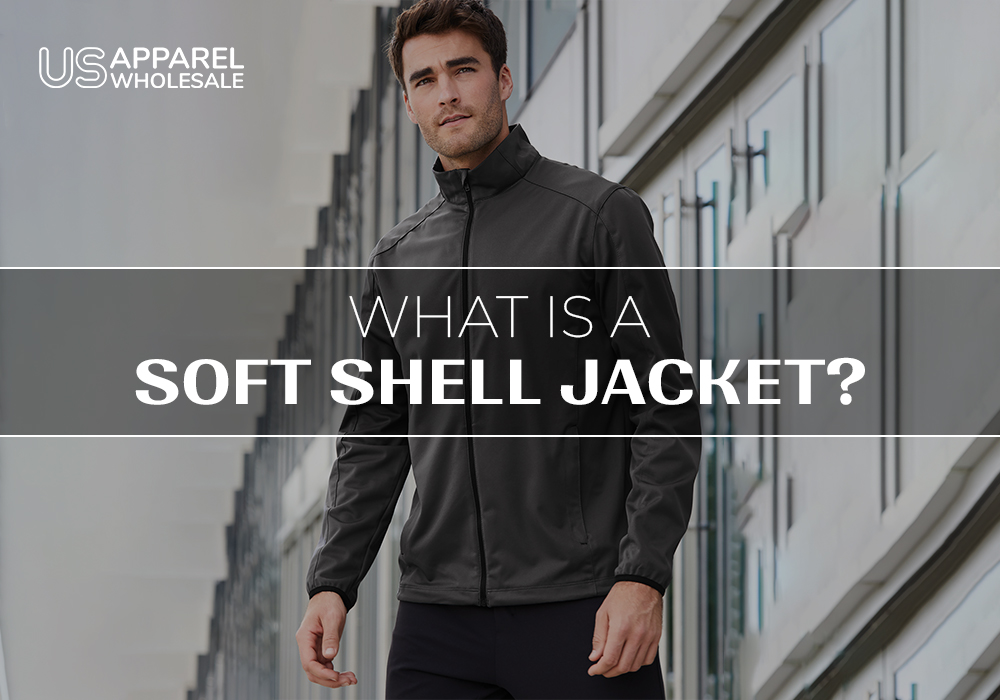
Whether you’re hiking, organizing team wear, or simply need an outer layer that balances comfort with light weather protection, a soft-shell jacket offers all of this. It’s usually made from stretch-woven synthetic fabric, often lined with fleece or brushed backing for extra warmth, providing wind resistance, light water repellency, and easy movement all in one. Designed to move with you, it’s ideal for activewear, daily use, and even professional or team settings.
What Makes a Soft Shell Jacket Unique?
A soft shell jacket isn’t just another outer layer—it’s built to deliver everyday function without sacrificing comfort. Its standout feature is its construction: a smooth, tightly woven outer layer that withstands wind and light rain, combined with a flexible, stretchy fabric that allows for natural movement.
Soft-shell jackets are made from stretchy polyester or nylon blends, often lined with microfleece for added insulation. Their dual-layer design keeps warmth in while staying breathable. Unlike stiff waterproof shells, they’re smooth, quiet, and ideal for both movement and casual wear.
Sleek and easy to customize, they’re also great for teams and wholesale use. Explore our full collection of soft-shell jackets designed for teams, resellers, and modern workwear.
Benefits of a Soft Shell Jacket
Soft-shell jackets have gained popularity by offering a unique blend of performance, comfort, and versatility. Whether you’re buying for personal use or purchasing in bulk for a brand or team, here’s what makes them a smart, dependable choice.
1. Comfortable and Flexible
Soft shell jackets are designed for movement. Their fabric contains stretch fibers like elastane or spandex, allowing for natural mobility without the stiffness of traditional outerwear. Whether you’re active outdoors or layering for work, the fit feels natural and unrestrictive.
2. Wind and Water Resistance
The tightly woven exterior of a soft shell blocks wind effectively and sheds light rain or snow. While not completely waterproof like a hardshell, it offers sufficient protection for most dry to damp conditions, making it an ideal quick-access layer during changing weather.
3. Breathable Design
Unlike many weatherproof jackets that trap heat and sweat, soft shells are designed to be breathable. They allow heat and moisture to escape, helping in regulating body temperature during activities like hiking, commuting, or outdoor work.
4. Lightweight Warmth
Many soft-shell jackets feature a brushed or fleece-lined interior that provides warmth without bulk. It offers sufficient insulation for cool mornings or cold evenings and can be easily layered under a heavier coat when temperatures drop.
5. Everyday Versatility
Soft shell jackets are versatile, combining style and function for outdoor adventures, daily errands, and more. Their sleek fit and clean design make them perfect for casual, professional, or team environments—especially when customized with logos or patches.
6. Durable for Daily Use
Constructed with fabrics that resist abrasion, soft shell jackets withstand daily wear well. They don’t pill like fleece or snag easily like thinner rain shells, making them ideal for teams, tradespeople, and outdoor workers who need durable gear.
What Is the Difference Between Hard and Soft Shell Jackets?
Choosing between a hard-shell and a soft-shell jacket depends on your environment and the level of protection you require. Each jacket serves a distinct purpose—one for extreme conditions, the other for all-day comfort and versatility. Here’s a side-by-side comparison to show where each one excels.
1. Weather Protection
Hard Shell:
Designed for severe weather, hard shells are completely waterproof. They feature sealed seams and protective membranes that can handle heavy rain, snow, and storms.
Soft Shell:
Soft shells are water-resistant, not waterproof. They can handle light rain or snow, but will soak through in a heavy downpour. Perfect for dry to slightly wet conditions.
2. Breathability
Hard Shell:
Due to their sealed construction, Hard shells don’t breathe effectively. During intense activity, sweat and heat can accumulate unless the jacket features dedicated vents.
Soft Shell:
Highly breathable and ideal for active movement. They allow body heat and moisture to escape, making them perfect for hiking, running, or layering in dry climates.
3. Comfort & Flexibility
Hard Shell:
Hard shells tend to be more rigid and can feel stiff after long wear. They usually don’t stretch, which can limit mobility.
Soft Shell:
Made from stretch fabric and often lined for added warmth, soft shells feel almost like a second skin. They are quieter, softer, and move comfortably with you.
4. Warmth & Insulation
Hard Shell:
Most hard shells are simply shells with no insulation, so you’ll need to wear additional layers underneath to stay warm.
Soft Shell:
Many soft shells feature a fleece or brushed lining that provides light warmth by itself. They are suitable to wear alone in cool weather or as a mid-layer in colder conditions.
5. Packability
Hard Shell:
Generally lighter and simpler to pack into a backpack, as they lack an inner lining or additional layers.
Soft Shell:
Slightly bulkier because of their thicker fabrics and inner lining, making them less compact but still easy to carry daily.
6. Best Use Case
Hard Shell:
Ideal for mountaineering, skiing, or any situation where complete weatherproof protection is essential.
Soft Shell:
Best for daily wear, active use, and light outdoor work. Also, a solid choice for teams and resellers seeking performance + comfort in one product.
Soft Shell vs Fleece
Both soft shell and fleece jackets offer lightweight warmth, yet they are suited for different needs, activity levels, and weather conditions. While fleece emphasizes insulation, soft shells provide a mix of comfort, mobility, and lightweight weather resistance. Here’s a side-by-side comparison:
1. Material & Structure
Fleece Jacket:
Fleece is made from synthetic fibers, usually polyester, and features a soft, brushed surface. It’s lightweight, plush, and primarily designed for insulation.
Soft Shell Jacket:
Soft shells feature a tightly woven outer layer paired with a soft inner lining, providing a more structured and protective design. They are designed to resist wind and light rain while remaining comfortable.
2. Warmth
Fleece Jacket:
Provides great insulation by effectively trapping body heat, making it perfect for dry, cold weather or as a mid-layer beneath a heavier coat.
Soft Shell Jacket:
Offers moderate warmth, often with a brushed lining or light fleece interior. It’s sufficient for cool weather and active movement, but may require layering in colder temperatures.
3. Weather Resistance
Fleece Jacket:
Offers minimal resistance to wind or water. It can absorb moisture rapidly if exposed to rain or snow.
Soft Shell Jacket:
It resists wind and repels light moisture, making it ideal for unpredictable or transitional weather.
4. Breathability
Fleece Jacket:
It’s breathable and comfortable, but not ideal for intense activities as it traps warmth rather than releasing moisture. For vigorous workouts, seek gear designed to wick away sweat and keep you cool.
Soft Shell Jacket:
Designed for breathability during activity, it allows heat and sweat to escape while offering some protection from the elements.
5. Use Case
Fleece Jacket:
Ideal for indoor use, lounging, or layering in extremely cold, dry conditions. Great mid-layer for winter sports.
Soft Shell Jacket:
Ideal as a standalone outer layer for hiking, commuting, or working outdoors in cool, breezy conditions. It is also favored in team wear and wholesale uniforms due to its structured fit and durability.
Is a Soft Shell Jacket Good for Winter?
A soft shell jacket is a good winter option in mild to moderately cold weather. It provides light insulation, usually from a fleece or brushed lining, along with wind resistance and enough coverage for daily wear. For activities such as commuting, walking, or light outdoor work, it provides warmth without feeling bulky or stuffy.
In cold temperatures or heavy snowfall, a soft shell works best as a mid-layer beneath a waterproof outer shell. Although not meant for extreme weather, it performs effectively when properly layered. For teams and resellers, this offers a flexible winter choice—affordable, long-lasting, and comfortable across varying conditions.
Conclusion
Soft shell jackets are a dependable option for anyone seeking a balance of comfort, flexibility, and everyday protection. They provide just enough warmth and weather resistance to handle changing conditions without the bulk or stiffness of heavier outerwear.
Whether you’re buying for yourself, outfitting a team, or stocking your apparel business, a soft shell jacket is a smart, versatile layer that seamlessly fits into modern wardrobes and routines.